
Derinkuyu Underground City Photos: An Annotated Guide
Independent guide; not the museum operator or an official ticket seller.
Read licensed Derinkuyu photographs with captions for passage scale, rooms, stone doors and a ventilation shaft.
Last updated October 2026
Contents7
These Derinkuyu Underground City photos show real passages and rooms at the named site. They are credited to Nevit Dilmen and licensed for reuse. The gallery records the capture date rather than treating an old photograph as a view of today's open path.
Use the photos to read space and scale: a stair, a room, a stone barrier and a shaft do different jobs. Their forms are visible. But the images do not prove an ancient date or the full route. A photographed passage is not permission to enter it today. Follow the museum's current signs and access rules.
Derinkuyu Underground City photos: what to notice
The gallery pairs each image with a narrow description. A carved room is called a room unless its specific function has a source. A modern lamp or rail remains part of the modern visit. That keeps a useful photograph from turning into a claim it cannot prove.
Look at the change in width between a chamber and the passage leading from it. A large room does not imply a wide approach. Steps and rails can help show scale. But a flat image cannot tell you how a confined space will feel as you walk through it.
Entrance and passage scale
The entry passage image shows masonry around an opening within the site. It is not a locator photo of the street ticket desk. Use the museum's address to find the entrance above ground, then the site's signs for the route below.
The stair photograph includes modern visitor lighting. Those lights make the carved passage visible in the photo. They are not evidence of how people lit the same space in the past. Nor should their brightness be used as a promise of the light on your date.
Rooms and interpretation
The room photograph shows an open carved space with adjoining openings. The caption does not assign it a church, school or kitchen function. For those labels, use a named museum account or an identified field study. Rock shape alone does not settle every use of a room over time.
The Ministry's description names several functions in the wider site. Matching those functions to a given photograph needs a room identification, not just a resemblance. If a guide gives a label, ask how that room is identified.
Stone doors, shafts and wells
The stone-door photograph shows a round block near an opening. The museum describes such blocks as ways to close passages. That supports a description of a barrier. But does not establish a precise weight or how many people moved this one.
The shaft image has a creator-supplied ventilation-well caption. It gives a view into a vertical opening. It does not show a complete air-flow or water system. Do not infer current drinking-water quality from the word “well”.
What photos cannot establish
The pictures were taken in February 2014. They are records of that visit, not current access notices. A rail, sign or open doorway in one image may differ now. Recheck the official venue information before travel.
No generated scene appears as archaeological evidence in this gallery. The full image credits remain readable without opening the lightbox. Keyboard users can open an image, move through the gallery and close it. Captions also remain with the photographs in print.
Continue planning your visit
Verdict on Derinkuyu Underground City photos
Read Derinkuyu Underground City photos as records of visible space. Use the museum for room interpretation and current access. Keep capture dates separate from source-check dates, and never turn a closed-looking or open-looking passage into a route instruction. Sources checked and editorial update: 14 October 2026.
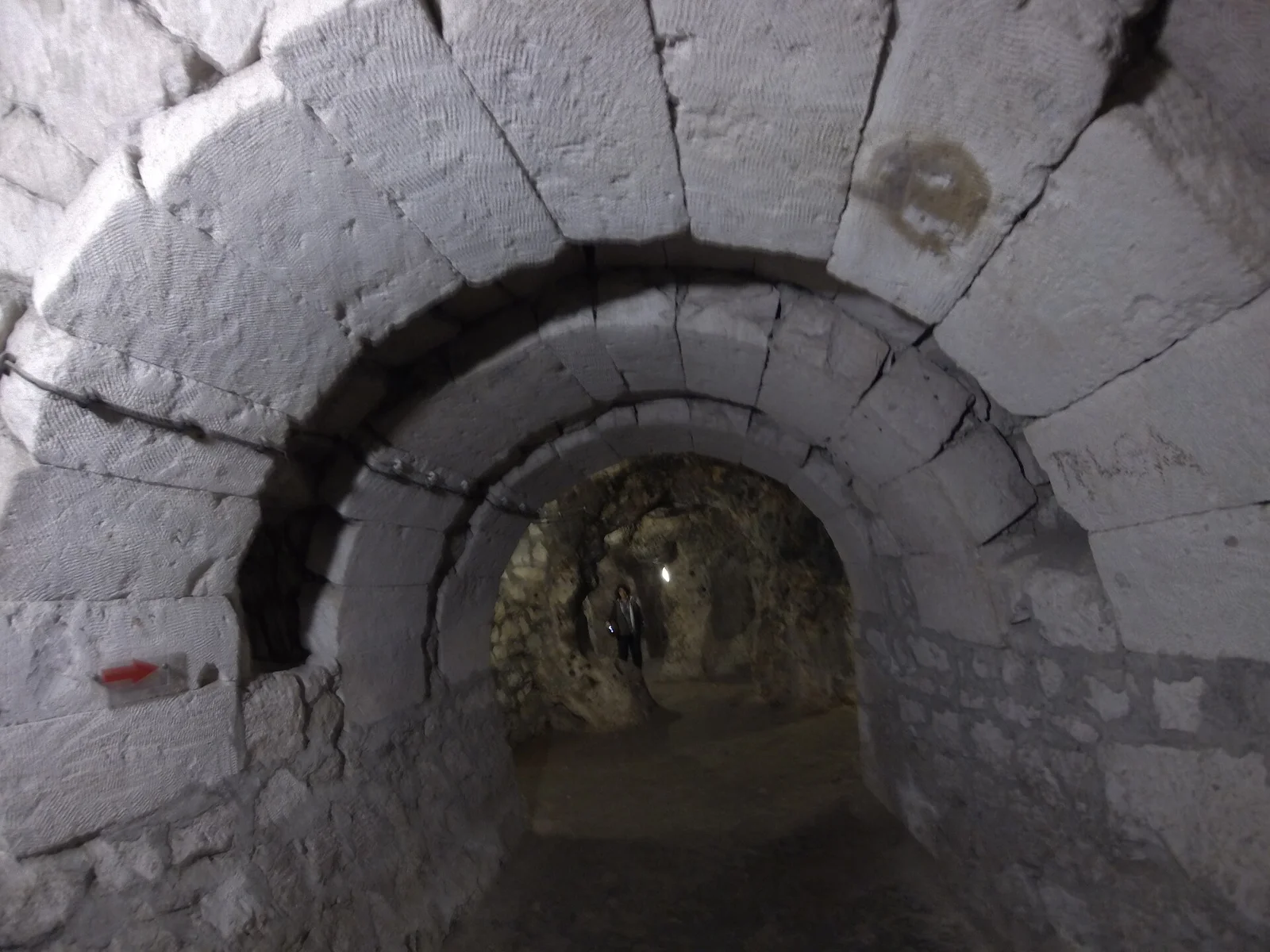
2014-02-06 10:39:31 · An entry passage within the site; not a street ticket-desk locator. Resized and converted to WebP.
Nevit Dilmen · CC BY-SA 3.0 (https://creativecommons.org/licenses/by-sa/3.0) · Image source

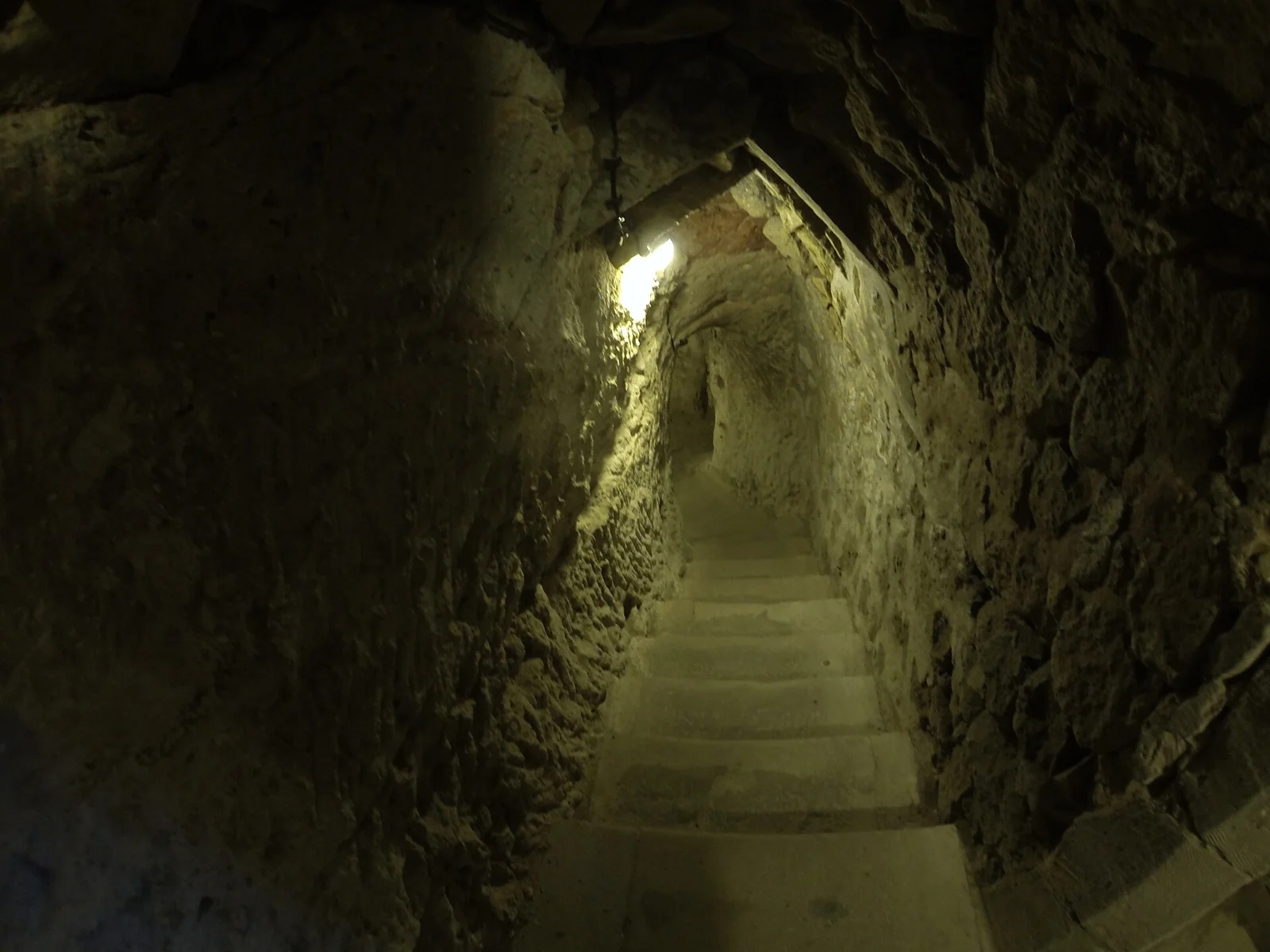
2014-02-06 10:38:35 · Narrow steps with modern visitor lights; no ancient lighting claim. Resized and converted to WebP.
Nevit Dilmen · CC BY-SA 3.0 (https://creativecommons.org/licenses/by-sa/3.0) · Image source

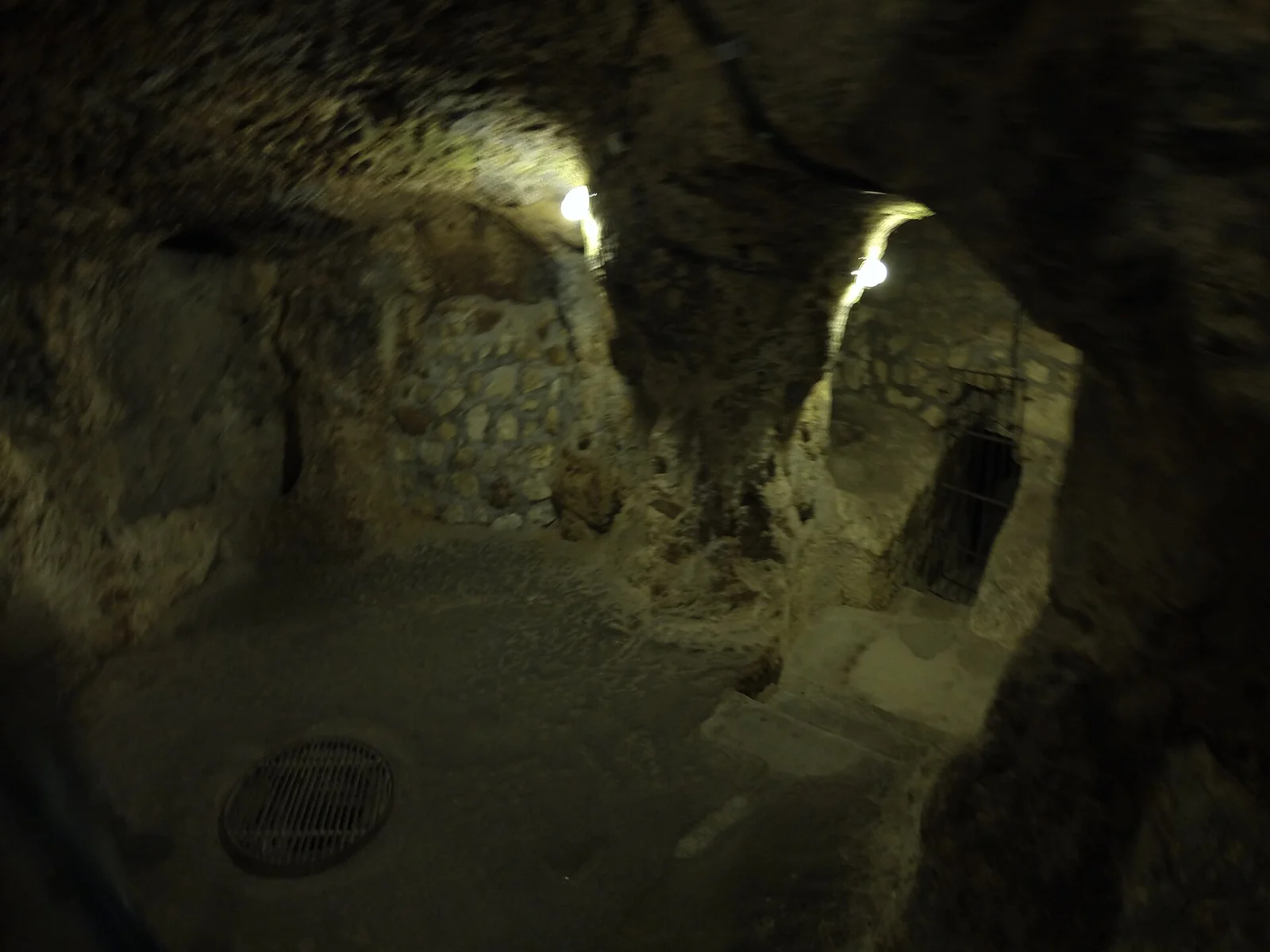
2014-02-06 10:40:13 · A room with openings; its precise original use is not identified here. Resized and converted to WebP.
Nevit Dilmen · CC BY-SA 3.0 (https://creativecommons.org/licenses/by-sa/3.0) · Image source

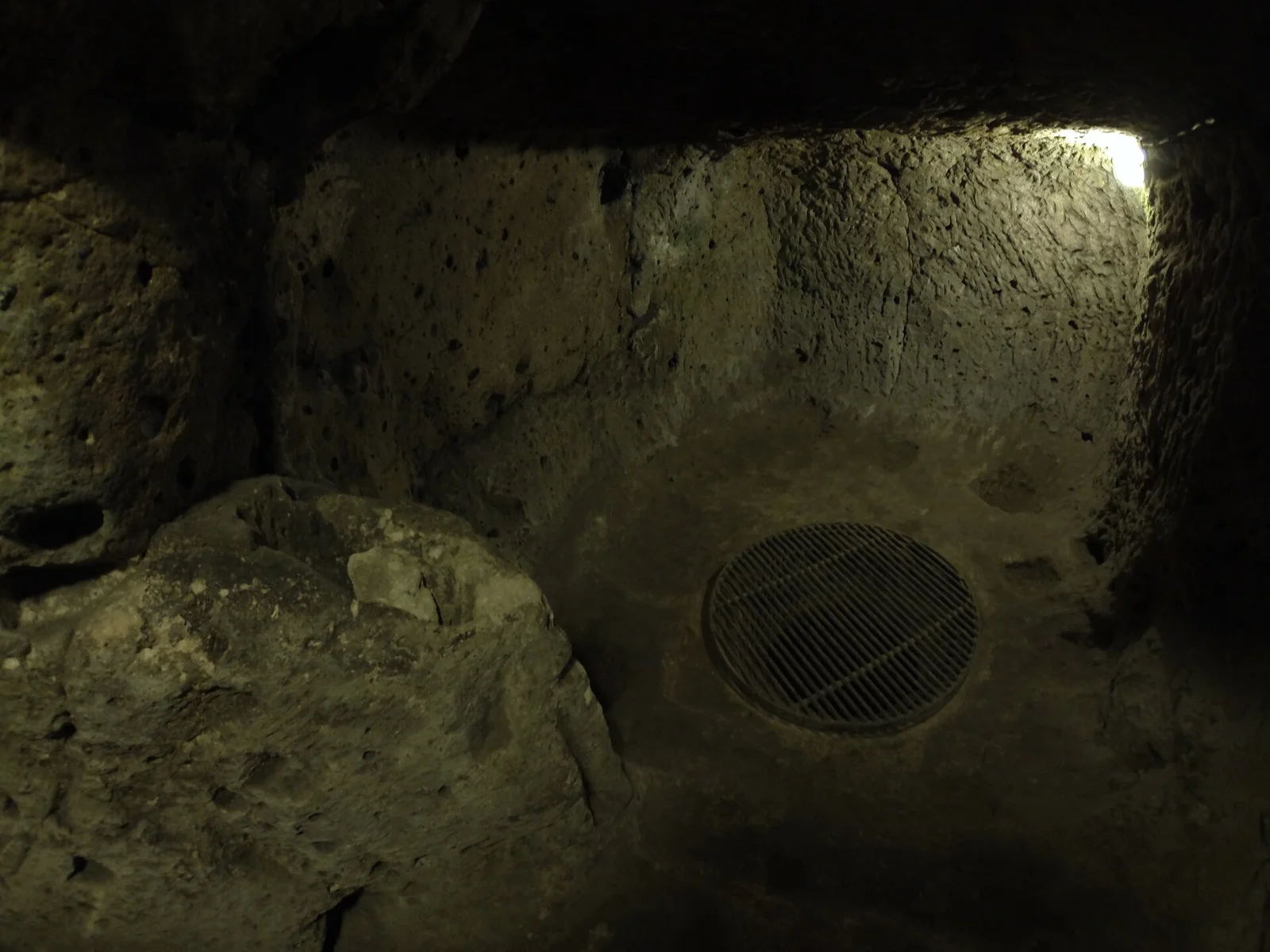
2014-02-06 10:45:07 · A round stone block beside an opening; no weight estimate. Resized and converted to WebP.
Nevit Dilmen · CC BY-SA 3.0 (https://creativecommons.org/licenses/by-sa/3.0) · Image source

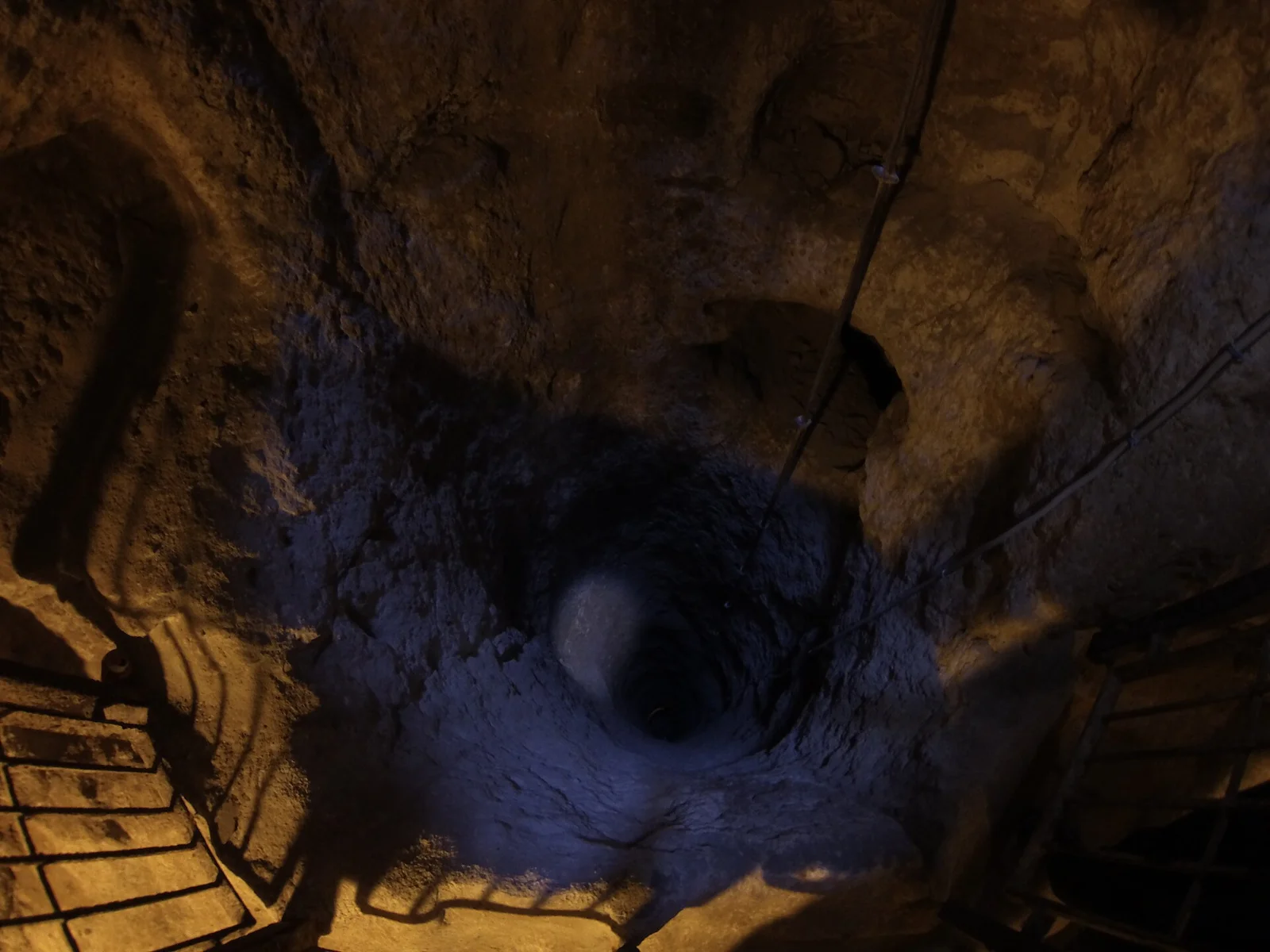
2014-02-06 10:54:21 · The creator identifies a ventilation well; the photo does not show its full water system. Resized and converted to WebP.
Nevit Dilmen · CC BY-SA 3.0 (https://creativecommons.org/licenses/by-sa/3.0) · Image source
